Lire en français · Ler em português
Surname: Liver
First name: Gallbladder
Element: wood
Season: spring
Direction: east
Taste: sour
Sense: sight
Fluid: tears
Emotion: anger
Smell: burnt fat
Sound: shouting
Active hours: Gallbladder 11 pm–1 am, Liver 1 am–3 am
The nails, as well as the tendons, are the mirror of the liver.
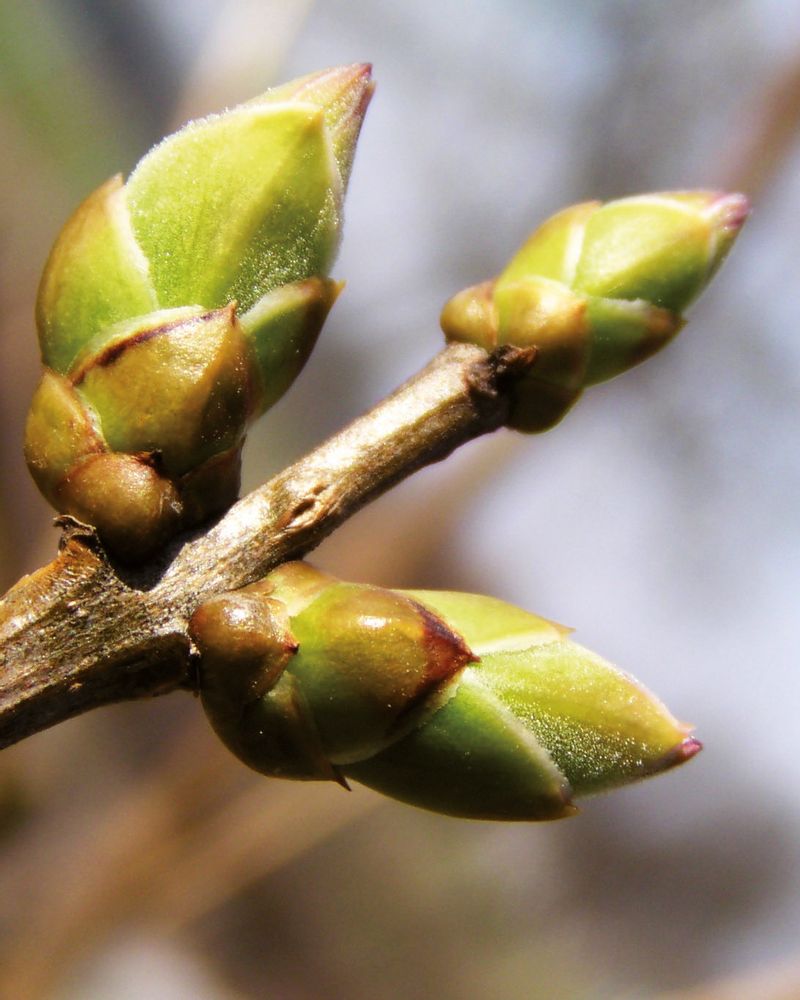
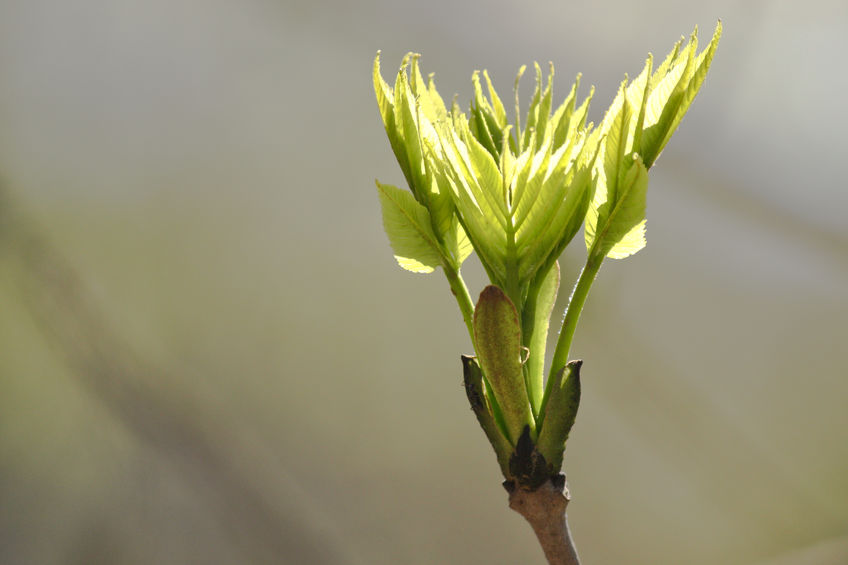
The energy of the liver is the energy we can see unfolding right now in the forests and in the trees of our parks. At the tip of the bare branches we notice a little bud, at first like a hard, dark scale; then, all of a sudden, a young green shoot appears, emerges from the branch and unfolds into a powerful leaf, full of life, full of strength. The sap, which spent the whole winter in the roots of the tree, in the earth, rises all the way to the tips of the branches and bursts out into these little leaves that want nothing more than to open up. But it takes strength, a powerful energy, to draw the sap up to the ends of the branches. And this energy, this life bursting forth, is the energy of wood, the very same energy we carry within us, in our body: that of our liver and our gallbladder.
In the Suwen, the great treatise of traditional Chinese medicine, it is written:
“The liver is the general of the armies; analysis and the devising of plans proceed from it.”
Deep within our body there is an organisation between our different organs, in which each one has its own role. Just as in an ecosystem, where every individual has a precise role and together they form a balance, a cycle like the cycle of nature, this cycle has to stay in harmony for a human being to remain in good mental and physical health. In this organisation, the heart is the emperor, the lungs are his prime minister, and the liver is the general of the armies.
Blood is its army: its task is to cleanse the blood and to train it. It breathes into it the energy needed for circulation, and its strength is a defensive capacity that covers the whole body. The liver receives the blood from the heart and “purifies” it; at the same time it analyses the blood and, after this analysis, decides on the course of action according to the blood’s composition. If it detects a toxic agent, it acts accordingly, which is why it is said that “analysis and the devising of plans proceed from it”.
And again: “The energy of the liver is very urgent by nature, and the will that corresponds to it is impetuous and violent. The vibration of its breaths is clearly found in the wind and in wood. The liver governs the breaths of spring, of life surging forth; it makes burst out what until then was only a seed.”
So the liver has to make decisions that are good for us. But, because of its impetuous nature, it is prone to outbursts and anger, which can cloud it and keep it from making the right decisions.
An old military treatise says: “If the general of the opposing army is prone to anger, insult him and make him furious; enraged, he will no longer see clearly and will march on you recklessly, without a plan.”
That is exactly what happens when anger takes hold of us: we do all sorts of foolish things, and then, afterwards, we cry, and that brings us relief.
The liver is paired with the gallbladder: the function of the gallbladder accompanies that of the liver, to which it is physically very close.
“The gallbladder is in charge of what is right and exact; determination and decision proceed from it.”
The liver explores and analyses situations; the gallbladder allows it to make the call.
On a physiological level, the liver filters and purifies the blood, and it produces bile, which is stored in the gallbladder before being sent on to the small intestine. Through the distribution of nutrients, with the help of hormones, gastric acid, saliva and bile, it balances the energy of the body as a whole.
From what the heart provides (the blood), the liver gathers the physical and emotional quality of that blood. With this information, which it analyses, and with the help of the gallbladder, it makes a decision, settles the matter firmly and clearly, and so releases the spring that spreads its effect throughout the whole body. This is the primal impulse of life, the initial organisation.
This is why, in Chinese energetics, we don’t separate the body, the intellect and the emotions: as we can see, the intellect and the emotions start from the body. Anger is the expression of the liver, and analysing situations (whether physical ones, such as deciding what to do about the composition of the blood, or the decisions we make in everyday life) is the job of the liver and the gallbladder, however strange that may seem.
And we can easily check this for ourselves: who has never felt that, overwhelmed by anger, they were unable to see a situation clearly? If we act in the grip of anger, we later go to the person our anger was aimed at and, in the best case, say: “I’m really sorry, I was angry, I didn’t mean what I said.” And everyone will understand: some will say “That’s no excuse!”, others “I understand, don’t worry”. But either way, we know that anger prevents us from acting wisely. Other people stay angry forever and never come back to it…
We can then understand how important it is to respect the balance of the seasons and of the Five Elements if we want to stay in good physical and mental health.
If the energy of the liver is disturbed, the following symptoms may be observed:
(not necessarily all at the same time)
– loss of vitality
– sudden bursts of motivation followed by extreme fatigue
– being easily bothered by noise
– depression following emotional stimulation
– heightened emotional sensitivity, a tendency to raise one’s voice, fits of anger
The eyes lose their sparkle, everything turns yellow, dizziness when standing for a long time, an unexplained decline in sexual activity, occasional bouts of fever, testicular and/or prostate problems, pain in the sacrum, haemorrhoids, loss of appetite, nausea, headaches.
If the energy of the gallbladder is disturbed, the following symptoms may be observed:
We are unable to make a decision, to the point of losing sleep over it; we cling to the smallest detail; we are easily frightened; our eyes are tired and our vision is blurred; we eat too fast; we are either constipated or have diarrhoea; we lose our physical flexibility; we feel nauseous when we wake up in the morning, with tension and pain in the shoulders.
So how can we actually support our liver and gallbladder?
If the energetic state of our organs can disturb our mind and our emotions, it also works the other way round.
So: calming our anger, meditating, breathing deeply, reconsidering our actions and accepting to see our mistakes, thinking before getting angry, not making decisions on a whim, but also not drinking alcohol, whether in excess or in small amounts every day, getting physical exercise, and eating a balanced and varied diet, rich in fibre and iron in particular.
As a general rule, avoid any kind of excess: there is no miracle diet, we need a bit of everything, but without excess. The liver needs iron for the transformation of red blood cells, and the iron best absorbed by the body is the iron that comes from animal products. Iron from plants is absorbed ten times less well. So if you are vegetarian or vegan, take good care to monitor your iron intake, which is essential for healthy blood production.
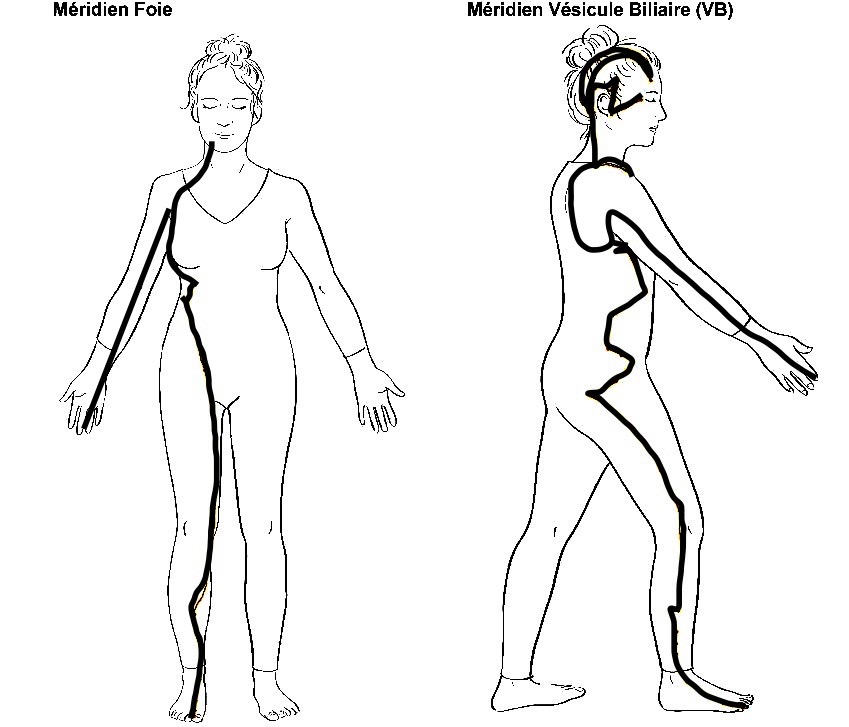
Meridian pathways
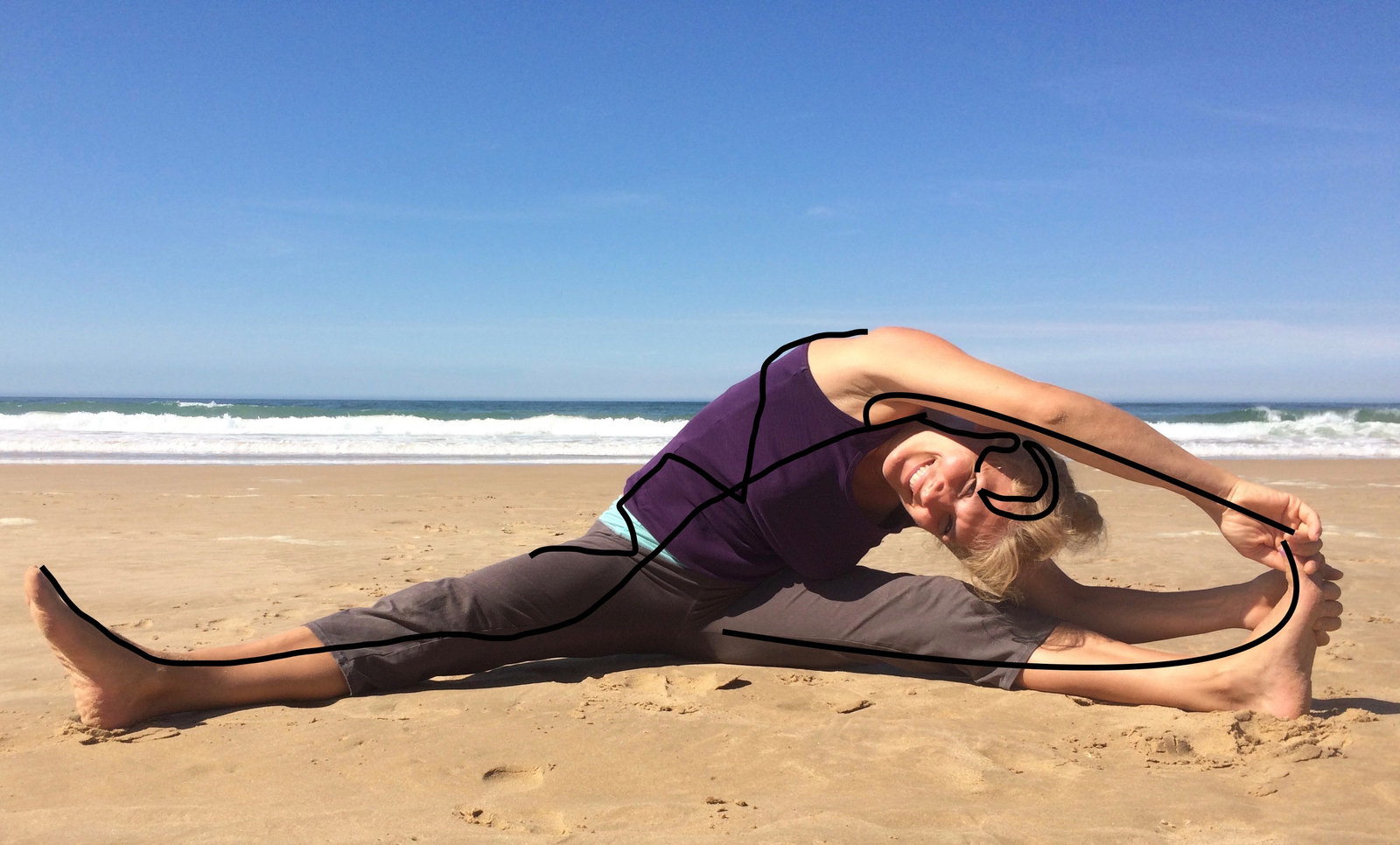
Another way to support your liver and gallbladder is to stretch the meridians. Here is the basic stretch: as you can see in the photo, it stretches both the liver meridian and the gallbladder meridian. It is the basic stretch, but there are many others. It should never be forced and must be accompanied by a specific way of breathing. For this, I refer you to my article Do-In.
“With the arrival of spring, the earth warms up. All the plants begin to sprout and put out green leaves, so the colour associated with spring is green. Since most fruits and trees are still immature and not yet ripe at this time, their taste is sour. This sour taste can strengthen the liver, and the liver can then nourish the tendons and the tendinomuscular channels. The wood element, to which the liver corresponds, can produce the fire element, to which the heart corresponds; this is why it is said that the tendons produce the heart. The liver is connected to the eyes through these channels; this is why it is said that the upper orifice of the liver is the eye. (…) The liver is responsible for keeping the flow of energy stable, energy whose nature is movement and expansion. Anger can injure the liver, but sadness can relieve anger. (…) Eating too many sour foods can make the tendons slack, but this can be counteracted by the pungent flavour.”
SUWEN, “the great treatise of traditional Chinese medicine”
A big bonus:
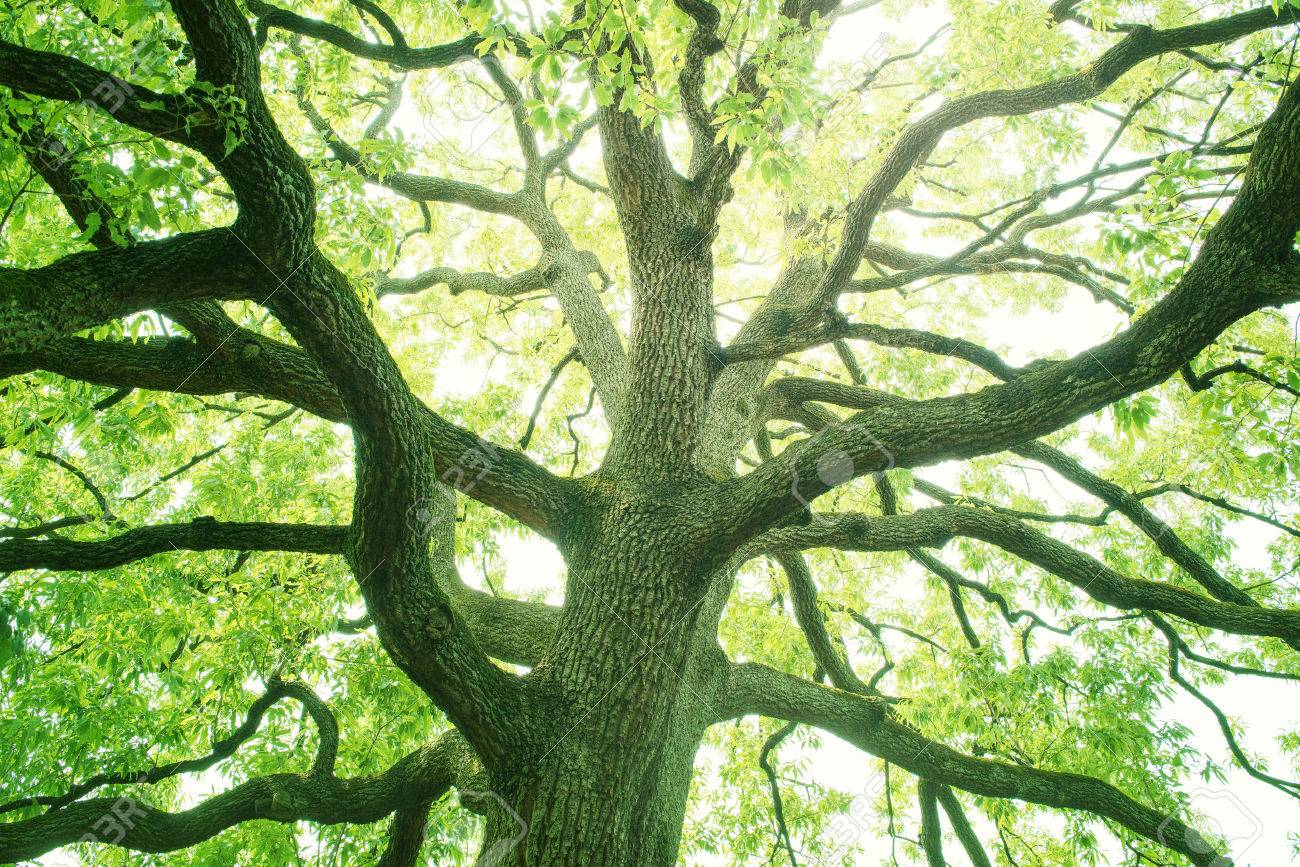
It is fascinating to look at the role of trees in nature and to find in it the very same role as the liver’s. Indeed:
Trees play an important part in purifying the air: they absorb and neutralise many gaseous pollutants (ozone, sulphur dioxide, etc.) and trap particulate matter.
A healthy tree can remove more than 7,000 particles of air pollution per litre of air.
What’s more, its roots also absorb some of the plant-protection products (pesticides) used in excess on farmland, thus limiting the pollution of soils, rivers and groundwater; they also limit soil erosion by storing rainwater. Forests are also home to 80% of land biodiversity and provide a habitat for many animal and plant species.
The forest is essential to the survival of the planet, just as the liver in our body is essential to our survival.
(source: BENIN ENVIRONMENT AND EDUCATION SOCIETY (BEES ONG))